





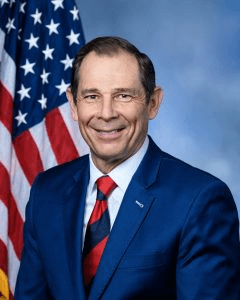
Utah Senator John Curtis and California Senator Alex Padilla are sounding the alarm in the nation’s capital that enough is not being done to prevent the next devastating wildfire. “This isn’t a tragedy confined by state lines; it’s a crisis across the entire American West, as fire seasons continue to lengthen and intensify,” they share. “In 2025, Utah faced its highest fire activity since 2020, with nearly 165,000 acres of land scorched — a staggering number that exceeds the 2022, 2023 and 2024 fire seasons combined. We must chart a better path forward. While the smoke of last year’s catastrophes has cleared, the threat of the next megafire has only grown, and we still haven’t done enough to prepare for it. Our wildfire prevention and suppression policy remains stuck in the past. To begin, we must stop viewing megafires as seasonal or regional nuisances and start treating them as the urgent, year-round crises they are. Wildfires are the single greatest threat to America’s forests, and a vicious driver of the very environmental crisis that fuels them.” The Fix Our Forests Act aims to cut red tape to enable active forest management. The entire statement published on April 23rd is shared on BasinNow.com.
Entire Message From Utah Senator John Curtis and California Senator Alex Padilla:
At the start of last year, ash and smoke consumed the skies over Los Angeles. Homes, businesses and entire neighborhoods went up in flames, and 31 lives were tragically lost. It’s been over a year since we promised to never forget the victims or the lives uprooted, yet families are still fighting every day to recover from the devastating Eaton and Palisades fires. This isn’t a tragedy confined by state lines; it’s a crisis across the entire American West, as fire seasons continue to lengthen and intensify. In 2025, Utah faced its highest fire activity since 2020, with nearly 165,000 acres of land scorched — a staggering number that exceeds the 2022, 2023 and 2024 fire seasons combined. We must chart a better path forward. While the smoke of last year’s catastrophes has cleared, the threat of the next megafire has only grown, and we still haven’t done enough to prepare for it. Our wildfire prevention and suppression policy remains stuck in the past.
To begin, we must stop viewing megafires as seasonal or regional nuisances and start treating them as the urgent, year-round crises they are. Wildfires are the single greatest threat to America’s forests, and a vicious driver of the very environmental crisis that fuels them. Consider the scale: greenhouse gases produced by California’s 2020 wildfires alone offset 20 years of the state’s emission reductions. This creates a catastrophic feedback loop: carbon from fires accelerates extreme heat and drought, which in turn creates the parched, tinderbox conditions for even larger megafires. And this isn’t just an environmental concern; it’s also an economic one. The rising costs attached to this cycle are fiscally unsustainable. Last year in Utah alone, the price tag to suppress the state’s 1,161 wildfires is estimated to be nearly $192 million — a bill footed by taxpayers at the federal, state and local levels. Moreover, megafires and other natural disasters are driving up insurance and housing costs. As losses increase, insurers raise premiums or exit high-risk areas altogether. This makes mortgages harder or more expensive to secure, pushing homeownership even further out of reach for millions of Americans. The status quo fails because it relies on 20th century tools to fight a 21st century problem. Our response is choked by red tape and lacks urgency. Fortunately, in an era where bipartisanship often feels like a relic of the past, we’ve been working on a bipartisan solution: the Fix Our Forests Act. The science is clear: focusing solely on putting out fires after they’ve already begun simply no longer works. Recently passed by the Senate Agriculture Committee with broad bipartisan support, our bill’s momentum is a testament to its commonsense design. It reflects lengthy consultation with the people who understand this crisis best: land managers, fire chiefs, Tribal leaders, and emergency response experts. First, it cuts the red tape hampering active forest management. By streamlining permitting for selective thinning and prescribed burns in high-risk areas, we can make our forests less susceptible to megafires. An analysis of 40 peer-reviewed papers found that when wildfires reach areas treated with these tools, burn severity is reduced by up to 72 percent in western conifer forests. Our bill accelerates timelines so these proven, science-backed solutions can be implemented before the next disaster strikes. Second, our bill establishes the Wildfire Intelligence Center to ensure our first responders aren’t flying blind. By providing local, state, Tribal, and federal agencies access to shared, real-time data and decision support, the center supports the full wildfire lifecycle — from prevention to suppression to recovery. This intelligence helps officials position resources earlier, conduct safer prescribed burns, and ensure existing wildfire investments work faster and more effectively. Finally, while we can’t predict when the next megafire will strike, we can help communities better prepare and better protect themselves. The Senate’s Fix Our Forests Act creates a centralized new program to help homeowners build and retrofit their homes with fire-resistant materials and features, all while making grant applications easier to navigate. Some critics argue this bill goes too far. Others claim it doesn’t go far enough. What’s clear is that the cost of inaction is far greater than the cost of compromise. In a divided Washington, the Fix Our Forests Act proves that smart, science-driven forest policy can still unite us. The act is now awaiting a vote on the U.S. Senate floor, and we’ll continue to push for this final vote. We have the science, the technology and a bipartisan consensus. All that remains is the political will to act before the next megafire breaks out. We cannot afford to wait for another anniversary to realize we should have acted today.