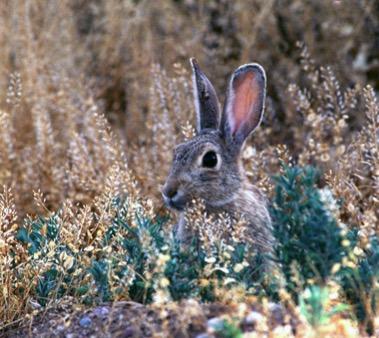
Uintah County has joined a growing list of counties in Utah with confirmed cases of RHDV-2, Rabbit Hemorrhagic Disease. The Division of Wildlife Resources announced the following in a press release: Prior to the most recent discovery between Fort Duchesne and Lapoint in Uintah County, rabbit hemorrhagic disease in Utah had been found only in San Juan, Wayne, Sanpete and Iron counties. RHDV-2 only infects rabbits. It’s not known to affect humans, livestock or other pets. However, precautions should be taken when handling rabbit carcasses to avoid spreading RHDV-2 or other known infectious diseases, like tularemia, that can be dangerous if transmitted to humans. The virus can survive for months in the environment and spread from dead rabbit carcasses or through food, water and any other contaminated materials, like the urine or feces of sick rabbits or through contact with feces from predators that have eaten infected rabbits. People can spread the virus indirectly by carrying it on their clothing and shoes if walking in and around areas where deceased rabbits are found. Signs of RHDV-2 to look for in rabbits are bleeding from the mouth or nose. The virus causes liver inflammation that prevents blood from clotting and eventually, the rabbit dies from internal hemorrhage (bleeding). There is no treatment for RHDV-2. If you see multiple dead rabbits or rabbits with signs of the virus, please leave them where they are, take a photo, record the location and contact the nearest Utah Division of Wildlife Resources office. If you suspect RHDV-2 in a domestic rabbit, contact your veterinarian immediately or the State Veterinarian’s office at 801-982-2235. For more information on RHDV-2 in domestic rabbits, visit the Utah Department of Agriculture and Food website.